
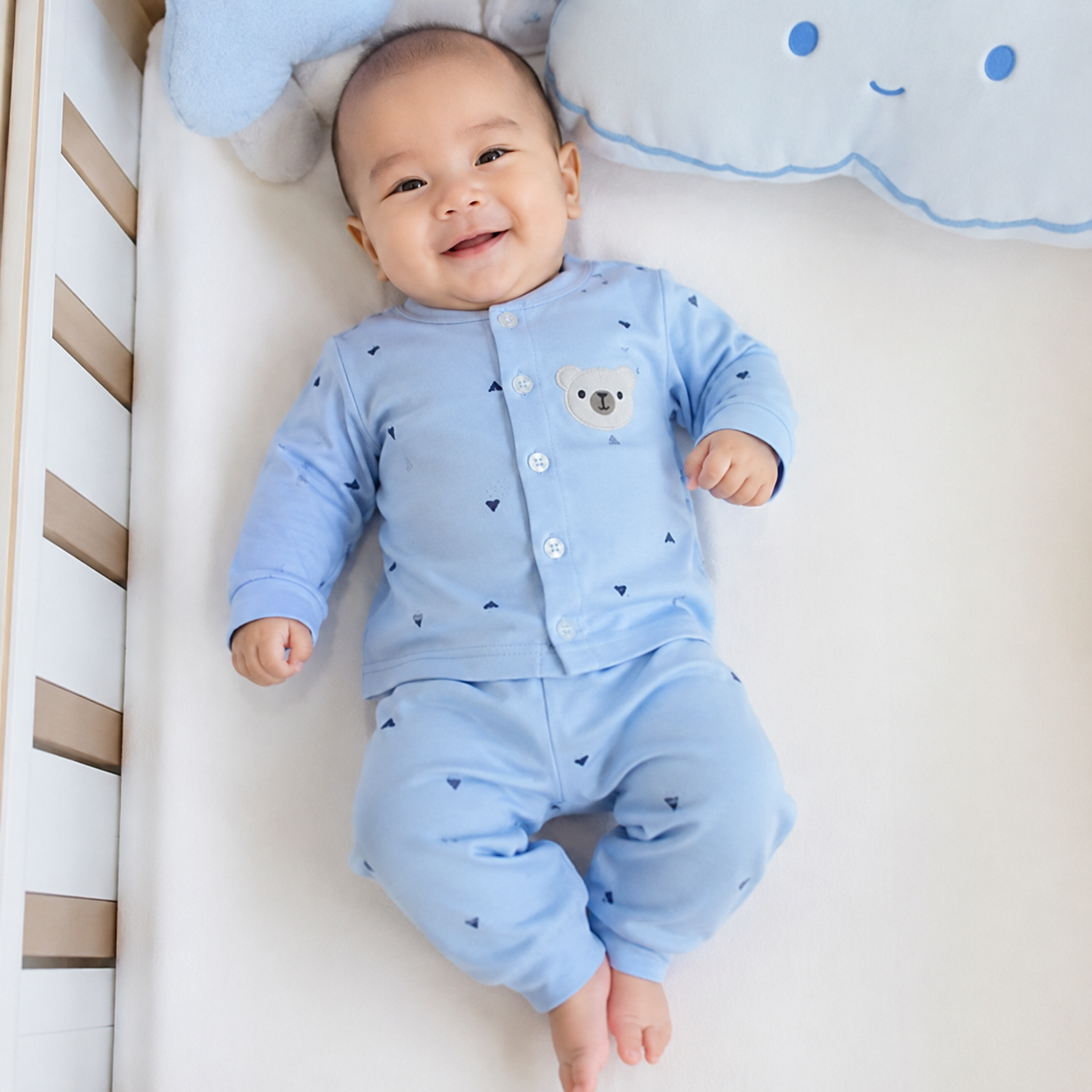
Few things matter more to new parents than a good night’s sleep — for their baby and for
themselves. The right pair of pajamas plays a bigger role in that than most people realize.
Beyond just looking adorable, baby sleepwear affects temperature regulation, skin
comfort, safety, and even how easily a little one settles down at night.
Why Pajama Choice Matters So Much for Babies
Babies can’t regulate their body temperature as efficiently as adults, and they can’t
simply pull off a blanket or ask for another layer if they’re too hot or cold. That makes
their sleepwear one of the few tools parents have to keep them comfortable through the
night. The wrong fabric or fit can lead to overheating, skin irritation, or a baby who wakes
up fussing simply because they’re uncomfortable.
Choosing the Right Fabric
Fabric is where most of the important decisions happen.
Cotton remains the gold standard for baby pajamas. It’s breathable, soft against sensitive
skin, and generally hypoallergenic. Organic cotton options have grown in popularity
among parents who want to minimize exposure to pesticides and chemical processing.
Bamboo-based fabrics have become a popular alternative in recent years. They’re
prized for being naturally moisture-wicking and silky-soft, which can help with
temperature regulation during warmer nights.
Fleece and thicker knits work well for colder climates or air-conditioned rooms, but
parents should be careful not to over-layer — overheating is a recognized risk factor that
pediatricians advise against.
Synthetic blends are common in flame-resistant sleepwear (more on that below), but
many parents prefer natural fibers next to the skin whenever possible.
Safety Standards Parents Should Know
Sleepwear for babies is one of the most regulated categories of children’s clothing, for
good reason.
Snug-fitting sleepwear is designed to fit close to the body. Because it doesn’t
billow, it reduces the risk of catching fire from an open flame and doesn’t require
chemical flame retardants.
Flame-resistant sleepwear is typically made from synthetic materials that are
inherently less flammable, often used in printed or looser-fitting styles.
Regulatory bodies in many countries require one of these two approaches for
garments marketed as sleepwear, so it’s worth checking labels rather than
assuming any soft pajama set qualifies.
Beyond flammability, parents should also watch for loose buttons, ribbons, or
embellishments that could pose choking hazards, especially for infants who tend to put
everything near their mouths.
Getting the Fit Right
A properly fitted pajama does two things: it keeps baby safe and keeps baby comfortable.
Too loose increases fire risk in non-flame-resistant fabrics and can bunch
uncomfortably during sleep.
Too tight can restrict movement and, in the case of footed pajamas, cramp growing
toes.
Growth spurts happen fast. Many parents find it useful to size up slightly rather
than buying an exact match to current measurements, especially for younger
infants who grow out of clothes within weeks.
Footed pajamas are popular for younger babies who kick off blankets, while two-piece
sets often suit older babies and toddlers who are more mobile and may need extra ease of
movement — or quick access for diaper changes.
Zippers, Snaps, or Buttons?
This might seem like a minor detail, but it matters more than expected during groggy 2
a.m. diaper changes.
Zippers (especially two-way zippers) allow for fast, full-body access without
waking baby fully.
Snaps are durable and allow for adjustable fits but can take longer to fasten.
Buttons look classic but are the least practical for late-night changes and pose a
small risk if they come loose.
Many parents rate zipper closures as the most sleep-friendly option for newborns and
younger infants.
Seasonal Considerations
Layering strategy should shift with the seasons:
Warmer months: lightweight cotton or bamboo, short-sleeved or sleeveless
designs, and breathable weaves help prevent overheating.
Cooler months: longer sleeves, footed styles, and slightly thicker (but still
breathable) fabrics work best, often paired with a sleep sack rather than loose
blankets.
Pediatric sleep guidelines generally recommend dressing a baby in one layer more than
an adult would wear in the same room — but not more, since overheating is linked to
increased sleep-related risks.
A Few Practical Tips
Wash new pajamas before first wear to remove any manufacturing residues and
soften the fabric.
Avoid fabric softeners on flame-resistant sleepwear, as they can affect the fabric’s
protective properties over time.
Keep a few sizes on hand during growth spurts rather than stocking up heavily on
one size.
Check tags and seams regularly for irritation, especially with newborns who have
more sensitive skin.
Final Thoughts
Baby pajamas sit at the intersection of comfort, safety, and practicality — three things
every tired parent cares about deeply. Taking a little extra care in choosing the right
fabric, fit, and closure style can mean fewer middle-of-the-night frustrations and, ideally,
a baby (and household) that sleeps a little more soundly.